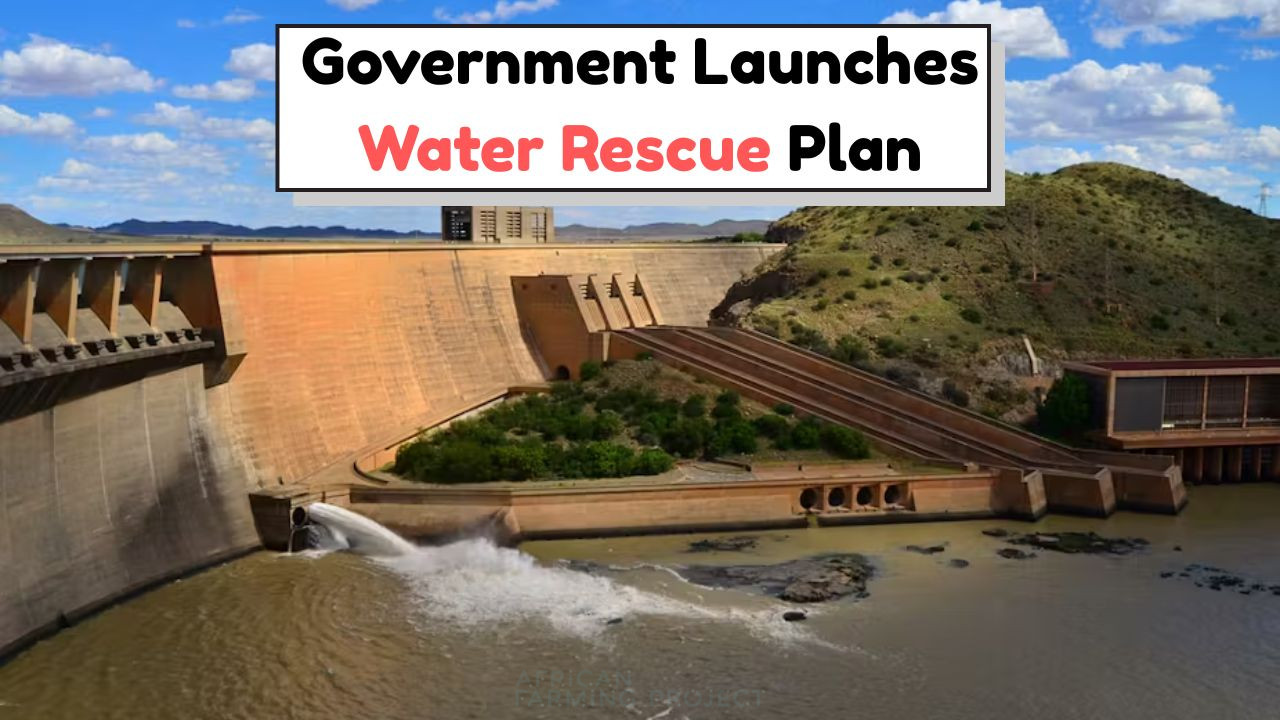
R23 Billion Government Project: South Africa is embarking on an ambitious initiative aimed at revitalizing its water infrastructure with a significant R23 billion government project. This monumental effort is designed to address the long-standing issues of water scarcity and inadequate water systems that have plagued many cities across the nation. By prioritizing major repairs and upgrades, this project seeks to ensure a reliable and sustainable water supply for the future. With a keen focus on modernizing outdated systems, the project is set to transform the landscape of South Africa’s water infrastructure, providing much-needed relief to affected cities and communities.
Transforming South Africa’s Water Infrastructure
The R23 billion government project is a strategic move to overhaul South Africa’s aging water infrastructure, which has suffered from neglect and underfunding for decades. Cities such as Johannesburg, Cape Town, Durban, and Pretoria are among the primary beneficiaries of this initiative, as they face significant challenges in maintaining water supply and quality. The project entails extensive upgrades to water treatment plants, distribution networks, and storage facilities, ensuring that the systems are equipped to meet the demands of a growing population and changing climate conditions.
- Johannesburg
- Cape Town
- Durban
- Pretoria
- Bloemfontein
- Port Elizabeth
- East London
Key Objectives of the R23 Billion Project
One of the primary objectives of the R23 billion project is to enhance the efficiency and reliability of water systems across the nation. This will be achieved through the implementation of advanced technologies and innovative solutions that aim to minimize water loss and reduce operational costs. Additionally, the project will focus on increasing the capacity of existing infrastructure to accommodate future growth and mitigate the impacts of climate change.
- Reduce water loss
- Improve water quality
- Enhance system reliability
- Increase infrastructure capacity
- Adopt sustainable practices
- Integrate advanced technology
- Mitigate climate change impacts
Financial Breakdown and Project Phases
The R23 billion allocated for the water infrastructure project will be distributed across various phases, each targeting specific aspects of the infrastructure. The initial phase will focus on conducting comprehensive assessments and prioritizing areas that require immediate attention. Subsequent phases will involve detailed planning and execution of repair and upgrade works, ensuring that the project delivers maximum impact efficiently.

| City | Allocation (in billions) | Phase 1 Completion |
|---|---|---|
| Johannesburg | 5 | 2024 |
| Cape Town | 4 | 2025 |
| Durban | 3.5 | 2024 |
| Pretoria | 3 | 2025 |
| Bloemfontein | 2.5 | 2024 |
| Port Elizabeth | 2 | 2025 |
| East London | 1.5 | 2024 |
Impact on Local Communities
The successful implementation of the R23 billion project is expected to have a profound impact on local communities by improving access to clean water, reducing health risks associated with contaminated water, and boosting economic activities. Reliable water supply is essential for industries, agriculture, and everyday life, and this project aims to provide that stability.
- Improved access to clean water
- Reduction in waterborne diseases
- Increased agricultural productivity
- Enhanced industrial growth
- Job creation through construction and maintenance
- Better quality of life for residents
Challenges and Solutions
Despite its ambitious goals, the R23 billion project is not without challenges. These include potential budget overruns, technical difficulties, and environmental concerns. To address these challenges, the government has put in place robust planning and monitoring mechanisms, alongside partnerships with private sector experts to leverage their expertise and resources.
FAQ Section
- What is the main goal of the R23 billion project? The main goal is to upgrade and repair South Africa’s water infrastructure to ensure a reliable water supply.
- Which cities will benefit from this project? Major cities like Johannesburg, Cape Town, Durban, and Pretoria are included.
- How will this project impact local communities? It will improve access to clean water, reduce health risks, and boost economic growth.
- What are the challenges facing the project? Budgetary constraints, technical issues, and environmental concerns are key challenges.
- When will the project be completed? The project is expected to proceed in phases, with initial completions by 2025.
Future Prospects for Water Infrastructure
The R23 billion project represents a significant step towards securing South Africa’s water future. By investing in critical infrastructure today, the country is paving the way for sustainable growth and development in the years to come.
- Long-term sustainability
- Adaptation to climate change
- Strengthened economic resilience
Monitoring and Evaluation
Continuous monitoring and evaluation will be key to the project’s success, ensuring that goals are met and adjustments are made as necessary.

- Regular progress reports
- Stakeholder engagement
- Performance audits
- Public transparency
Conclusion of Project Phases
| Phase | Start Year | End Year | Status |
|---|---|---|---|
| Phase 1 | 2023 | 2024 | Ongoing |
| Phase 2 | 2024 | 2025 | Pending |
| Phase 3 | 2025 | 2026 | Planned |
| Phase 4 | 2026 | 2027 | Planned |
| Phase 5 | 2027 | 2028 | Planned |
| Phase 6 | 2028 | 2029 | Planned |
| Phase 7 | 2029 | 2030 | Planned |
The R23 billion government project is a beacon of hope for South Africa’s water infrastructure. By addressing key challenges and investing in the future, it promises to improve the quality of life for millions and secure a sustainable water future.
Community Involvement and Support
Engagement: Community involvement is crucial for the project’s success, with stakeholders being encouraged to participate through public forums and consultations.
Support Mechanisms: Government and private entities are working together to provide the necessary support and resources to ensure the project’s smooth execution.
Feedback Channels: Open channels for feedback will be maintained to address any concerns and improve project implementation.
Education and Awareness: Initiatives are in place to educate the public on water conservation and the benefits of the infrastructure upgrades.
Long-term Benefits: The project’s success will lead to a more resilient and sustainable water supply, essential for the country’s development.