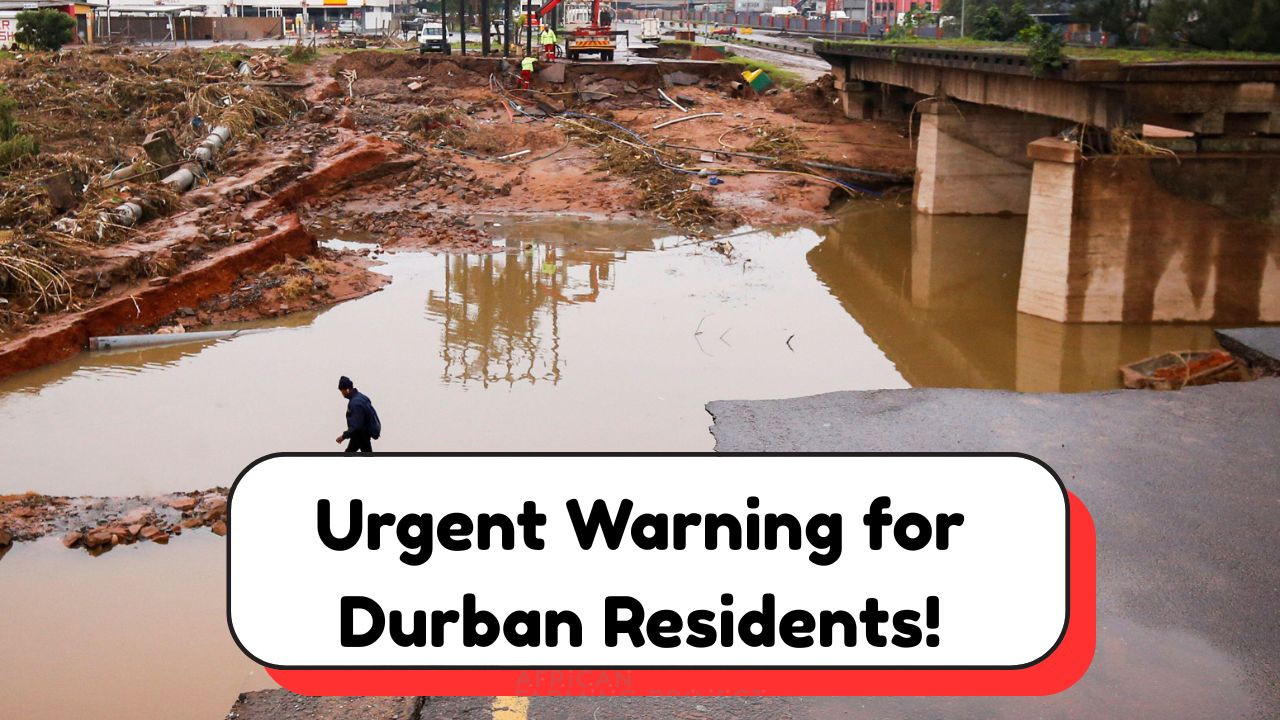
Durban Flash Flood Zones: Durban is no stranger to the wrath of nature, and flash floods have become an increasing concern for the city. With unpredictable weather patterns and heavy rainfall, certain areas in Durban are more susceptible to flash floods than others. Understanding these critical zones and knowing how to survive during such events is crucial for residents and visitors alike. Identifying the risk areas and being prepared can significantly reduce the impact of these sudden floods, ensuring safety and minimizing damage.
Identifying Durban’s Flash Flood Risk Areas
Flash floods can be devastating, and Durban is particularly vulnerable due to its geographical layout. The city’s topography, combined with urban development, can exacerbate flooding conditions. Key areas that are at high risk include:
- The central business district, where drainage systems can be overwhelmed.
- Low-lying areas such as the Durban Harbour vicinity.
- Suburban areas with inadequate drainage infrastructure.
- Historic flood zones that have seen repeated incidents.
- Construction zones where soil erosion and lack of vegetation increase risk.
- Riverbanks and surrounding areas during heavy rainfalls.
- Roads and highways prone to water accumulation.
- Informal settlements with limited access to emergency services.
Essential Survival Tips for Flash Floods in Durban
When facing the threat of a flash flood, having a survival plan in place is vital. Here are some crucial tips to keep in mind:
| Tip Number | Action | Description | Why It’s Important | Outcome | Additional Info |
|---|---|---|---|---|---|
| 1 | Stay Informed | Monitor weather forecasts and alerts. | Being informed helps in timely preparation. | Increased readiness. | Use reliable sources. |
| 2 | Have an Emergency Kit | Prepare a kit with essentials. | Essential for survival in emergencies. | Immediate access to resources. | Include food, water, and medicine. |
| 3 | Know Evacuation Routes | Plan and practice escape routes. | Ensures quick evacuation. | Reduces panic and confusion. | Regularly update plans. |
| 4 | Avoid Floodwaters | Stay away from waterlogged areas. | Floodwaters can be dangerous. | Prevents injuries and accidents. | Wait for official clearance. |
| 5 | Secure Your Home | Reinforce structures and drainage. | Minimizes property damage. | Protects belongings. | Check regularly for improvements. |
| 6 | Communicate with Family | Ensure everyone knows the plan. | Coordination is key in emergencies. | Safe reunification. | Use group messaging apps. |
| 7 | Stay Calm | Maintain composure during emergencies. | Panic can lead to poor decisions. | Effective decision-making. | Practice relaxation techniques. |
| 8 | Follow Official Guidance | Heed advice from authorities. | Authorities have more information. | Ensures safety and compliance. | Trust in official sources. |
Preparing for Durban’s Flash Flood Season
As Durban’s rainy season approaches, preparations for potential flash floods become increasingly important. Residents should take proactive measures to safeguard themselves and their properties. Here are some steps to consider:

- Regularly clean and maintain drainage systems around your property.
- Install flood barriers or sandbags where necessary.
- Engage in community awareness programs on flood preparedness.
- Ensure your home insurance covers flood damage.
- Develop a family communication plan for emergencies.
Understanding Durban’s Weather Patterns and Their Impact
Durban’s weather can be unpredictable, with sudden changes that may lead to severe weather events. Understanding the local climate is essential for predicting and preparing for floods.
| Month | Average Rainfall (mm) |
|---|---|
| January | 134 |
| February | 126 |
| March | 118 |
| April | 80 |
| May | 60 |
| June | 45 |
| July | 51 |
| August | 69 |
Durban’s Flash Flood History and Lessons Learned
Durban has experienced multiple flash floods over the years, each offering valuable lessons for the future. Key takeaways include the need for improved infrastructure, better urban planning, and increased community awareness.
- Invest in robust drainage systems to manage heavy rainfall.
- Implement sustainable urban development practices.
- Educate communities on flood risks and safety protocols.
Government Initiatives to Mitigate Flood Risks in Durban
Recognizing the severity of flash floods, the government has launched several initiatives to mitigate risks and enhance public safety. These efforts focus on infrastructure improvements, community engagement, and policy development.
- Enhancing drainage systems across the city.
- Implementing early warning systems for residents.
- Conducting community workshops on disaster readiness.
Durban’s Community Role in Flood Preparedness
Communities play a critical role in flood preparedness. Engaging local residents in planning and response efforts can significantly improve outcomes during flood events.

- Participate in local emergency drills and simulations.
- Volunteer for community preparedness programs.
- Share knowledge and resources with neighbors.
Technological Advancements in Flood Prediction
| Technology | Description | Benefits | Challenges |
|---|---|---|---|
| Weather Radar | Detects precipitation intensity. | Accurate rainfall predictions. | High setup cost. |
| Satellite Imagery | Monitors weather patterns. | Wide coverage. | Data processing time. |
| Hydrological Models | Simulates water flow. | Predicts flood extents. | Complex calibration. |
| Mobile Apps | Provides real-time alerts. | Easy access for users. | Dependence on network. |
| IoT Sensors | Monitors water levels. | Real-time data collection. | Maintenance needs. |
Sustainable Practices to Reduce Flood Impact in Durban
Adopting sustainable practices can help reduce the impact of flash floods. These practices not only protect the environment but also enhance the community’s resilience to flooding.
- Implement rainwater harvesting systems.
- Promote the growth of vegetation in urban areas.
- Encourage the use of permeable pavements.
- Support eco-friendly building designs.
Flash Flood Safety: A Comprehensive Guide for Durban
Understanding Flash Floods: Flash floods occur rapidly and with little warning, often triggered by intense rainfall.
Recognizing Warning Signs: Darkening skies, heavy rain, and rising water levels are key indicators.
Immediate Actions: Move to higher ground and avoid floodwaters at all costs.
Protecting Property: Seal walls in basements and install sump pumps to prevent water ingress.
Post-Flood Recovery: Ensure safety first, then document damage for insurance claims.