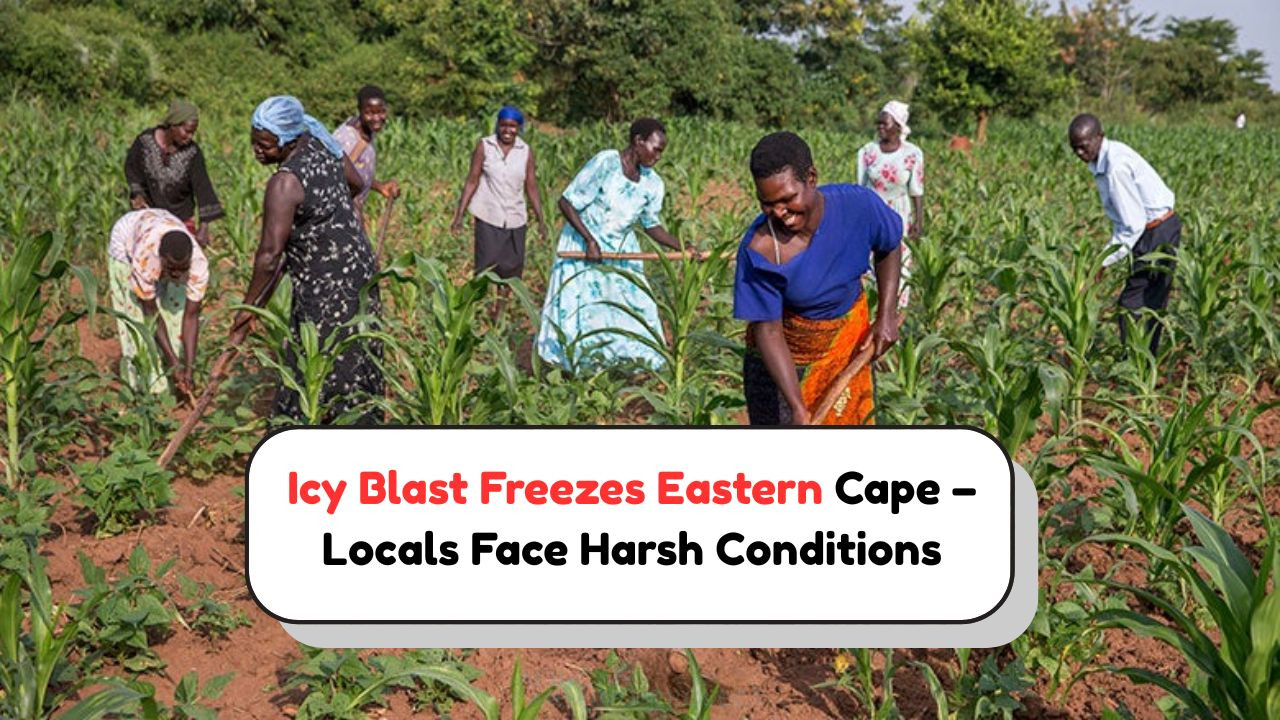
Eastern Cape Cold Wave: Residents of the Eastern Cape are currently grappling with a massive cold snap that has swept across the region, leaving many locals struggling to cope with the sudden drop in temperatures. The cold wave has brought with it challenges in maintaining warmth, especially in rural areas where resources are scarce. As the province braces itself for what is predicted to be one of the harshest winters in recent memory, communities are coming together to find solutions and support those most affected by the freezing conditions.
Impact of Cold Snap on Eastern Cape Communities
The recent cold snap in the Eastern Cape has had a profound impact on local communities, disrupting daily life and posing significant challenges to both urban and rural residents. In urban areas, the increased demand for electricity due to heating needs has led to power outages, exacerbating the situation for many households. Meanwhile, rural areas face a different set of challenges, with limited access to resources such as firewood and warm clothing. Local government and non-profit organizations are stepping up efforts to provide relief, but the scale of the cold wave has stretched resources thin.
- Increased demand for electricity and heating resources
- Disruption to daily activities and routines
- Challenges in accessing basic necessities
- Strain on local government and charitable organizations
- Community initiatives to support vulnerable individuals
- Impact on local businesses and agriculture
- Adverse effects on health and wellbeing
Emergency Services and Government Response to Cold Wave
| Service | Response | Challenges | Impact | Future Plans | Resources Allocated | Community Involvement | Timeline |
|---|---|---|---|---|---|---|---|
| Healthcare | Increased staffing | Resource limitations | Improved patient care | Long-term health support | Medical supplies | Volunteer support | Immediate |
| Electricity | Load management | High demand | Reduced outages | Infrastructure upgrades | Technical teams | Local collaboration | Ongoing |
| Social Services | Shelter provision | Overcapacity | Safety for homeless | Expand facilities | Funding increase | NGO partnerships | Short-term |
| Transportation | Road maintenance | Weather conditions | Safer travel | Road safety campaigns | Maintenance crews | Community feedback | Continuous |
| Food Security | Food distributions | Supply chain issues | Access to meals | Support local farmers | Food stocks | Donor engagement | Weekly |
| Education | Remote learning | Technology gaps | Continuity of education | Digital infrastructure | Educational tools | Parental involvement | Long-term |
| Water Supply | Water rationing | Frozen pipes | Stable water access | Pipe insulation projects | Manpower | Community awareness | Immediate |
| Agriculture | Support for farmers | Crop damage | Resilience building | Climate adaptation strategies | Agricultural aid | Farmer networks | Seasonal |
Community Initiatives to Combat Cold in Eastern Cape
In the face of adversity, Eastern Cape communities are banding together to tackle the challenges posed by the extreme cold. Residents are engaging in various grassroots initiatives aimed at supporting those most vulnerable to the harsh conditions. From setting up soup kitchens to distributing blankets and warm clothing, these community-led efforts are proving invaluable in providing immediate relief. Local businesses are also playing a part by donating resources and offering discounts on essential goods and services. Such solidarity is crucial in ensuring that no one is left to face the cold alone.
- Soup kitchens providing hot meals
- Blanket distribution drives
- Warm clothing donations
- Local businesses offering discounts
- Community fundraisers for relief efforts
Weather Forecast and Predictions for Eastern Cape
| Day | Temperature (°C) | Wind Speed (km/h) | Precipitation (%) | Advice |
|---|---|---|---|---|
| Monday | 8/0 | 15 | 60 | Dress warmly |
| Tuesday | 10/2 | 10 | 40 | Wear layers |
| Wednesday | 12/4 | 5 | 20 | Light raincoat |
| Thursday | 14/6 | 20 | 80 | Stay indoors |
| Friday | 16/8 | 12 | 10 | Enjoy the sun |
Health Risks Associated With Cold Weather in Eastern Cape
Cold weather brings with it a set of health risks that are particularly concerning for vulnerable populations, such as the elderly, young children, and those with pre-existing health conditions. The risk of hypothermia and frostbite increases as temperatures drop, and respiratory issues can be exacerbated by the cold air. It’s crucial for residents to take necessary precautions, such as dressing in layers, maintaining warm indoor environments, and staying hydrated. Awareness campaigns are being run to educate the public on how to safeguard their health during this cold spell.

- Increased risk of hypothermia
- Potential for frostbite
- Exacerbation of respiratory issues
- Need for warm clothing and environments
- Importance of staying hydrated
Economic Impact of Eastern Cape Cold Wave
| Sector | Impact | Challenges | Opportunities | Future Outlook |
|---|---|---|---|---|
| Retail | Increased sales of winter goods | Supply chain disruptions | Promotional campaigns | Stock adjustments |
| Agriculture | Crop damage | Weather unpredictability | Invest in resilient crops | Research and development |
| Tourism | Reduced visitor numbers | Travel cancellations | Off-season promotions | Adaptation strategies |
| Energy | Higher demand | Load shedding risks | Green energy initiatives | Infrastructure upgrades |
| Healthcare | Increased patient visits | Resource shortages | Telemedicine expansion | Capacity building |
| Transport | Road hazards | Maintenance costs | Safety campaigns | Long-term planning |
Preparing for Future Cold Waves in Eastern Cape
As climate change continues to alter weather patterns, the likelihood of experiencing similar cold waves in the future increases. It’s imperative for both individuals and authorities in the Eastern Cape to prepare adequately. This involves improving infrastructure to withstand severe weather, promoting energy efficiency, and ensuring that emergency response systems are robust and well-coordinated. Educational programs that raise awareness about climate resilience and adaptation strategies can empower communities to better handle future cold spells.
- Investing in weather-resilient infrastructure
- Promoting energy efficiency
- Enhancing emergency response systems
- Educational programs on climate resilience
- Community engagement and empowerment
Local Stories of Resilience Amid Eastern Cape Cold
Nomvula’s Initiative: In a small village near Mthatha, a woman named Nomvula has taken it upon herself to lead a community effort in distributing blankets and organizing soup kitchens. Her dedication has inspired others to join in her cause.

School’s Aid: A high school in East London has opened its doors as a temporary shelter for those affected by the cold, providing warmth and meals to those in need.
Business Support: Local businesses in Port Elizabeth have come together to offer discounts on essential winter goods and services, making them more accessible to the community.
Farmers’ Co-op: In rural areas, farmers have formed cooperatives to share resources and knowledge, helping each other to mitigate the impact of the cold on their crops.
Health Volunteers: A group of healthcare professionals in Grahamstown is offering free health check-ups and advice on coping with cold-related ailments, making a significant difference in the community.