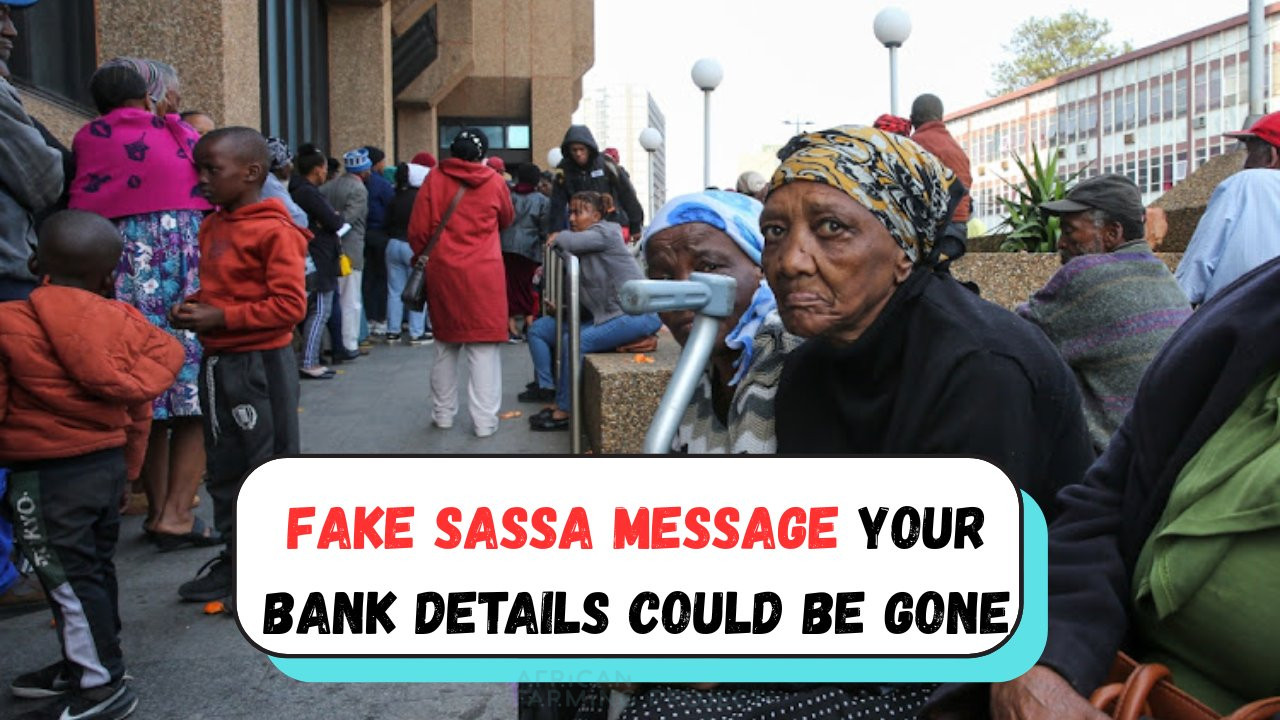
SASSA Alert: How Fraudulent WhatsApp Links Are Threatening Your Account: With the rise of digital communication, South Africans have increasingly relied on platforms like WhatsApp for quick and efficient messaging. Unfortunately, this convenience has also attracted cybercriminals who are using fraudulent links to target unsuspecting users. The South African Social Security Agency (SASSA) has become a prime target, with scammers posing as officials to steal personal information and gain unauthorized access to SASSA accounts. Understanding the risks associated with these fraudulent WhatsApp links is essential for safeguarding your sensitive data and ensuring your financial security.
Scammers are becoming more sophisticated in their tactics, often sending messages that appear to be from legitimate sources. These messages may include a link that, when clicked, can install malware on your device or direct you to a fake website designed to capture your login credentials. Given the potential consequences of falling victim to such scams, it is crucial for SASSA beneficiaries to be vigilant and informed about the measures they can take to protect themselves online.
Understanding the Threat of Fraudulent WhatsApp Links
The proliferation of fraudulent WhatsApp links poses a significant threat to SASSA beneficiaries across South Africa. These scams typically involve messages that claim to offer new SASSA benefits or require urgent action to prevent account suspension. By exploiting the urgency and trust associated with SASSA communications, scammers lure victims into clicking on malicious links.
- Fraudulent links often lead to phishing websites that mimic the official SASSA site.
- Malware installation can occur, compromising the security of your device and personal data.
- Scammers may request personal information, such as ID numbers or banking details.
- Clicking on these links can result in unauthorized transactions and identity theft.
- Victims may experience financial loss and difficulty reclaiming their compromised accounts.
Spotting Red Flags in WhatsApp Messages
Recognizing the warning signs of a fraudulent WhatsApp message is key to protecting your SASSA account. Scammers often use tactics designed to create a sense of urgency or prey on the recipient’s trust. Here are some red flags to watch out for:
| Red Flag | Description | Action |
|---|---|---|
| Urgent Requests | Messages urging immediate action to claim benefits or prevent account suspension. | Verify with SASSA directly before responding. |
| Unsolicited Links | Links included in messages from unknown or suspicious numbers. | Avoid clicking and report the message. |
| Personal Information Requests | Requests for sensitive data like ID numbers or banking details. | Do not provide any personal information. |
| Spelling and Grammar Errors | Poorly written messages that lack professionalism. | Regard these as suspicious and ignore them. |
| Unfamiliar Senders | Messages from numbers not registered with SASSA. | Do not engage and report the number. |
Protecting Your SASSA Account from Scammers
Taking proactive steps to secure your SASSA account is vital in preventing fraud. While SASSA is committed to protecting its beneficiaries, individuals must also take personal responsibility for their online security. Here are some strategies to consider:
- Enable two-factor authentication for an additional layer of security.
- Regularly update your contact details with SASSA to ensure you receive legitimate communications.
- Use strong, unique passwords for your SASSA account and change them regularly.
- Install antivirus software on your devices to detect and remove malware.
- Be cautious of any unsolicited messages or calls claiming to be from SASSA.
Reporting Fraudulent Activities
If you suspect that you have received a fraudulent WhatsApp message or have inadvertently engaged with a scammer, it is crucial to report the incident as soon as possible. Prompt reporting can help prevent further damage and protect other potential victims. Here are the steps you can take:
| Step | Action |
|---|---|
| 1 | Take screenshots of the message and the sender’s number. |
| 2 | Contact the official SASSA helpline to report the incident. |
| 3 | Inform your bank if you have shared any financial information. |
| 4 | Alert the South African Police Service (SAPS) with all gathered evidence. |
| 5 | Warn friends and family to be cautious of similar scams. |
Common Scams Targeting SASSA Beneficiaries
Understanding the types of scams commonly targeting SASSA beneficiaries can help you stay vigilant. Fraudsters often try various approaches to deceive their victims, including:
- Impersonating SASSA officials and requesting personal details.
- Offering fake job opportunities tied to SASSA benefits.
- Promising additional grants or financial aid through unofficial channels.
- Sending fake SMS notifications about account changes.
- Creating fake social media profiles claiming to represent SASSA.
Essential Tips for Staying Safe Online
Maintaining online safety is crucial for protecting your personal information from fraudsters. Here are some essential tips to keep in mind:

- Never click on links from unknown sources.
- Regularly check your account statements for unauthorized transactions.
- Educate yourself about the latest scams and how they operate.
- Use secure, private networks for sensitive transactions.
- Keep your devices’ software up to date to patch security vulnerabilities.
- Be mindful of sharing personal information on social media.
- Consult with cybersecurity experts if you suspect a breach.
FAQs on Fraudulent WhatsApp Links and SASSA
What should I do if I receive a suspicious WhatsApp message?
Ignore and do not click on any links. Report the message to SASSA and your service provider.
Can SASSA contact me via WhatsApp for official communications?
SASSA typically uses official channels such as SMS or postal mail for communications.
How can I verify if a message from SASSA is legitimate?
Contact SASSA directly using official contact details from their website.
What information should I never share with unknown contacts?
Never share your ID number, banking details, or passwords with anyone.
How can I recover my account if I fall victim to a scam?
Immediately report the incident to SASSA and follow their guidance on securing your account.