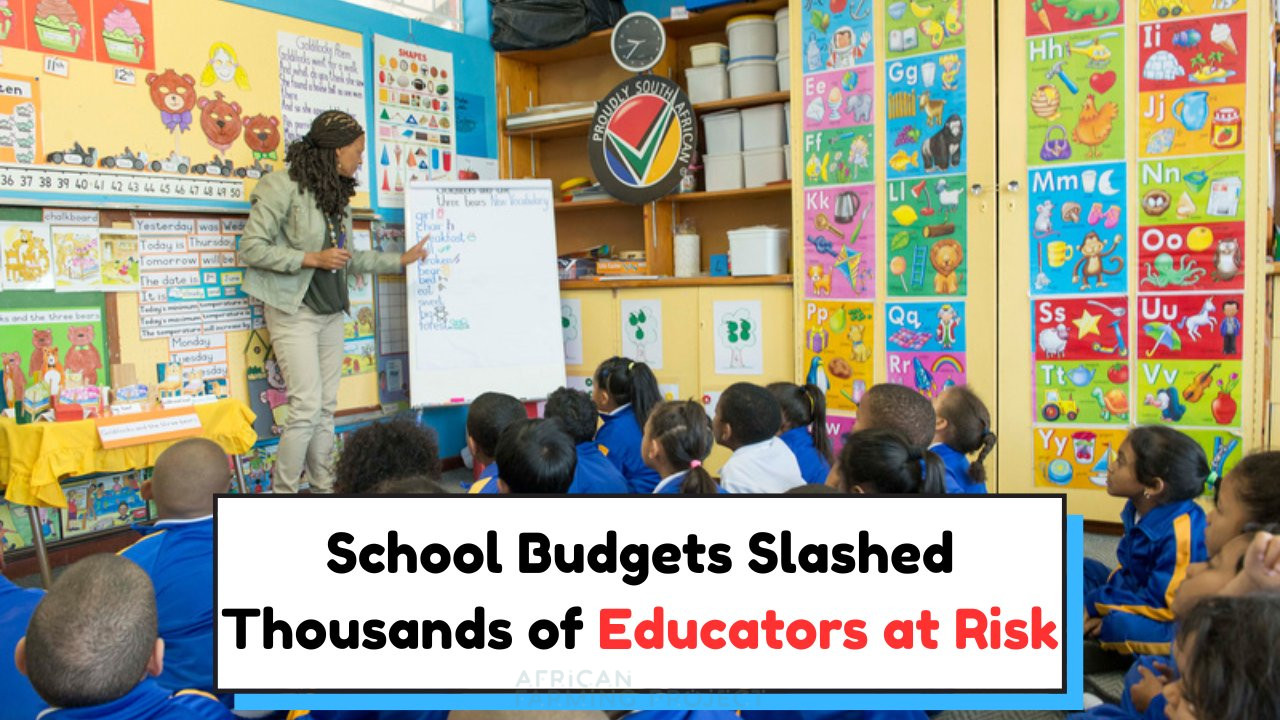
South Africa’s Budget Crisis: The recent news surrounding South Africa’s budget crisis has sent shockwaves across various sectors, particularly the education sector. With rumors suggesting that up to 3,000 teachers might face layoffs, there is a growing concern about the implications for the quality of education in the country. As South Africa grapples with economic challenges, the potential impact on schools could be significant, affecting both teachers and students alike. These potential layoffs are part of broader austerity measures aimed at addressing the national budget deficit. However, the decision has sparked intense debate about the prioritization of education in national policy, raising questions about the future of the teaching profession and educational outcomes in South Africa.
Examining the Causes of the Budget Crisis in South Africa
The budget crisis in South Africa is rooted in several complex factors that have accumulated over the years. Economic slowdown, rising debt levels, and inefficient public spending have all contributed to the current fiscal challenges. The country’s GDP growth has been sluggish, failing to keep pace with the rising needs of its population. Additionally, corruption and mismanagement within various government sectors have exacerbated the financial strain. As a result, the government has been compelled to implement austerity measures to stabilize the economy, yet these measures come at a cost. The education sector, being one of the largest public employers, finds itself in the crosshairs of these budget cuts, leading to potential teacher layoffs.
- Economic slowdown impacting revenue generation
- High levels of national debt
- Inefficient public spending and corruption
Potential Impact on Education and Teachers
The proposed layoffs of 3,000 teachers could have far-reaching consequences for South Africa’s education system. Schools, particularly in rural and underserved areas, may face teacher shortages, leading to larger class sizes and decreased individual attention for students. This could further exacerbate existing educational disparities between urban and rural communities. For the teachers affected, losing their jobs would mean not only financial hardship but also a significant blow to their professional identities and livelihoods. The psychological impact on both teachers and students should not be underestimated as education is a pivotal component of social development and equity.
| Region | Teachers Affected | Schools Impacted | Expected Class Size Increase | Current Student-Teacher Ratio | Proposed Student-Teacher Ratio | Potential Impact |
|---|---|---|---|---|---|---|
| Gauteng | 500 | 100 | 5% | 30:1 | 35:1 | Moderate |
| KwaZulu-Natal | 600 | 120 | 7% | 32:1 | 38:1 | Severe |
| Eastern Cape | 400 | 80 | 4% | 28:1 | 32:1 | Mild |
| Western Cape | 300 | 60 | 3% | 27:1 | 30:1 | Minimal |
| Limpopo | 200 | 40 | 2% | 25:1 | 28:1 | Minimal |
| Mpumalanga | 300 | 70 | 3% | 29:1 | 33:1 | Mild |
| Free State | 200 | 50 | 2% | 26:1 | 29:1 | Minimal |
| North West | 300 | 60 | 3% | 28:1 | 31:1 | Mild |
Government Strategies to Mitigate the Crisis
In response to the impending budget crisis, the South African government is exploring various strategies to mitigate the impact on the education sector. One approach is to seek alternative funding sources to support teacher salaries and prevent layoffs. This could involve reallocating funds from less critical areas or increasing public-private partnerships to bolster educational resources. Additionally, the government is considering implementing efficiency measures within the education system to reduce wastage and maximize the use of available resources. Another strategy being discussed is the provision of retraining and upskilling programs for affected teachers, enabling them to transition into other roles within the education sector or related fields.

- Reallocation of government funds
- Public-private partnerships
- Efficiency-driven resource management
Voices from the Education Sector
Educators and stakeholders within the education sector have voiced their concerns regarding the potential layoffs and their impact on the teaching community. Many teachers are worried about job security and the future of their profession. Educators’ unions have been vocal in advocating for job protection measures, urging the government to consider alternative cost-saving initiatives that do not compromise educational quality. Parents and students have also expressed concerns, fearing that larger class sizes and reduced teacher-student interactions could affect learning outcomes.
| Stakeholder | Concerns | Proposed Solutions |
|---|---|---|
| Teachers | Job security and professional future | Job protection measures |
| Unions | Educational quality and teacher welfare | Alternative cost-saving initiatives |
| Parents | Impact on children’s education | Maintenance of teacher-student ratios |
| Students | Learning outcomes | Ensuring quality education |
| Government | Budget constraints | Explore alternative funding |
FAQ Section
What is causing the budget crisis in South Africa?
The crisis is primarily due to economic slowdown, rising debt, and inefficient public spending.

How many teachers are potentially facing layoffs?
Up to 3,000 teachers may face layoffs due to budget constraints.
What impact could teacher layoffs have on education?
Layoffs could lead to larger class sizes and diminished educational quality, especially in underserved areas.
What solutions are being proposed to avoid teacher layoffs?
Solutions include reallocating funds, forming public-private partnerships, and enhancing resource efficiency.
How are educators and unions responding to the proposed layoffs?
They are advocating for job protection measures and alternative cost-saving strategies that ensure educational quality.