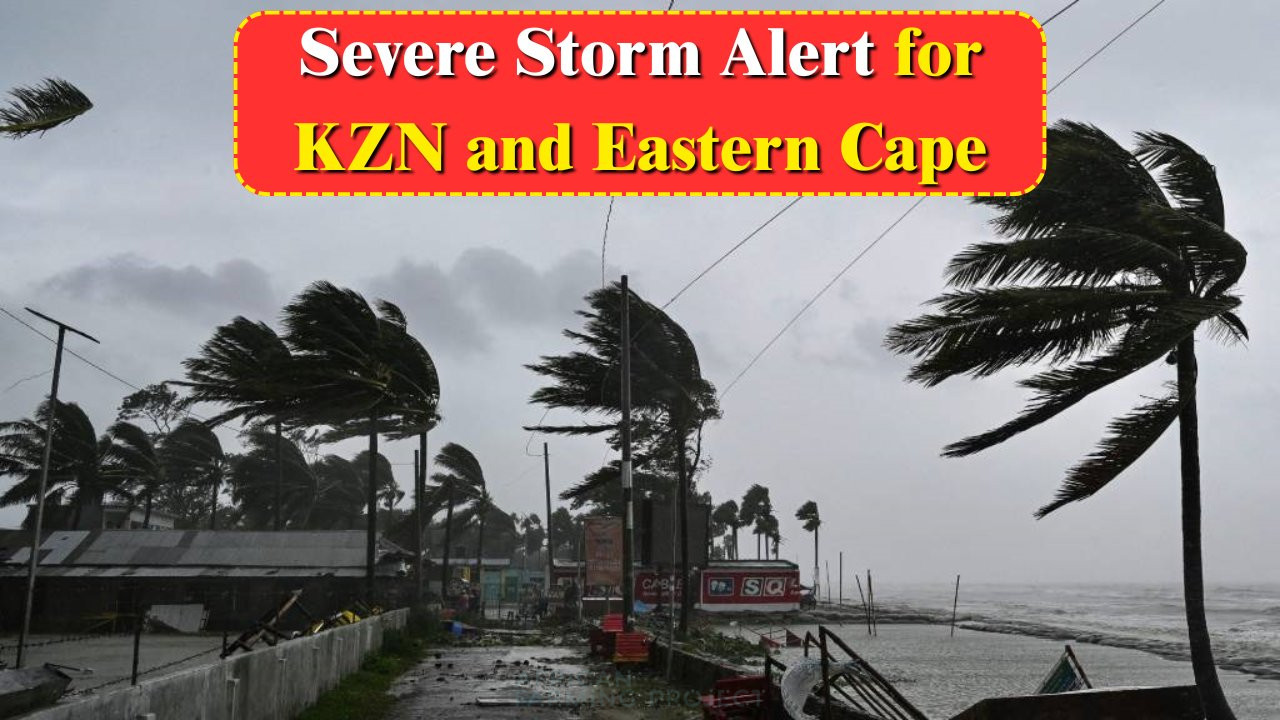
Severe Storms in KZN and Eastern Cape: The South African Weather Service has issued a warning for potentially severe storms predicted to hit KwaZulu-Natal and the Eastern Cape this weekend. As the regions prepare for the impact, residents are advised to take precautionary measures to ensure their safety and minimize damage. The storms are expected to bring heavy rainfall, strong winds, and potential flooding, which could disrupt daily life and pose significant challenges to infrastructure. With the unpredictable nature of weather patterns, staying informed and prepared is crucial for the communities in these provinces.
Weather Alerts and Safety Precautions for KZN and Eastern Cape Storms
As the forecast indicates severe weather conditions, it’s essential for residents in KwaZulu-Natal and the Eastern Cape to be aware of the alerts issued by the South African Weather Service. These warnings serve as a crucial reminder for everyone to take necessary precautions. Key safety measures include securing loose items that could become projectiles in strong winds, ensuring that drainage systems are clear to prevent flooding, and staying indoors during peak storm activity. Schools and businesses in affected areas should also be prepared for potential closures or disruptions.
- Secure outdoor furniture and items.
- Clear gutters and drains.
- Stay informed through local news and weather updates.
- Have emergency supplies on hand, including water, food, and a first-aid kit.
- Plan for power outages by having flashlights and batteries ready.
Impact of Severe Storms on Local Communities
The upcoming severe weather is likely to have a significant impact on local communities in the KwaZulu-Natal and Eastern Cape regions. Past experiences with similar weather events have shown that the effects can range from property damage to disruptions in transportation and communication networks. Local authorities are on high alert, coordinating with emergency services to respond swiftly to any incidents that may arise. Community members are encouraged to look out for one another, particularly those who are vulnerable, such as the elderly and those with mobility challenges.
| Impact | Description | Areas Affected | Response |
|---|---|---|---|
| Flooding | Heavy rains may lead to flash floods. | Low-lying areas | Emergency evacuations possible |
| Power Outages | Strong winds can damage power lines. | Urban and rural areas | Utility repair teams on standby |
| Property Damage | Winds and flooding can harm structures. | Coastal regions | Insurance claims likely to rise |
Preparing for the Weekend’s Severe Weather
With the weekend’s severe weather looming, preparation is key to ensuring safety and minimizing disruption. Residents are advised to stay updated with the latest weather forecasts and heed any advisories from local authorities. Having a plan in place can make a significant difference in emergency situations. This includes knowing evacuation routes, having contact information for local emergency services, and establishing a communication plan with family and friends.

- Check and restock emergency kits.
- Identify safe areas in your home.
- Keep mobile devices charged.
- Ensure vehicles have enough fuel.
- Review family emergency plans.
Government and Community Response to Storm Warnings
The government and community organizations are mobilizing resources to address the potential impact of the severe weather predicted for KwaZulu-Natal and the Eastern Cape. Disaster management teams are on standby, ready to assist in evacuation efforts if necessary. Local municipalities are working to ensure that critical infrastructure, such as roads and bridges, are reinforced to withstand the storms. Community centers are prepared to serve as temporary shelters for those displaced by the weather.
- Disaster management teams activated.
- Community centers designated as shelters.
- Coordination with local NGOs for relief efforts.
- Public service announcements to keep residents informed.
Historical Context of Severe Storms in South Africa
South Africa has experienced numerous severe weather events in the past, each leaving its mark on the landscape and communities. Understanding historical patterns helps in predicting and preparing for future events. Notable storms have led to advancements in infrastructure resilience and emergency response strategies, allowing for more effective management of such natural disasters.

| Year | Event | Impact | Response | Lessons Learned |
|---|---|---|---|---|
| 1987 | Durban Storm | Widespread flooding | Evacuations and relief efforts | Improved flood defenses |
| 2009 | KZN Floods | Significant damage to property | Government aid packages | Better urban planning |
| 2017 | Eastern Cape Storm | Infrastructure damage | Reconstruction initiatives | Enhanced building codes |
Community Preparedness and Resilience Building
Building community resilience is key to withstanding the impacts of severe weather. Community organizations play a vital role in educating residents on emergency preparedness and response. Workshops and training sessions on disaster readiness are regularly held, equipping individuals with the skills and knowledge needed during emergencies. Collaborative efforts between local authorities and communities ensure a more coordinated response to natural disasters.
FAQ Section:
- What should I do if I live in a flood-prone area? Prepare an emergency kit, have a plan to reach higher ground, and stay informed about weather updates.
- How can I stay informed about the storm? Follow local news outlets, listen to radio updates, and check official government weather service announcements.
- What are the signs of a severe storm approaching? Darkening skies, sudden temperature drops, and increased wind speeds can indicate a storm is near.
- Are there emergency shelters available? Yes, local authorities often set up community centers as temporary shelters during severe weather.
- How can I help my community during the storm? Volunteer with local organizations, assist neighbors with preparations, and share resources and information.