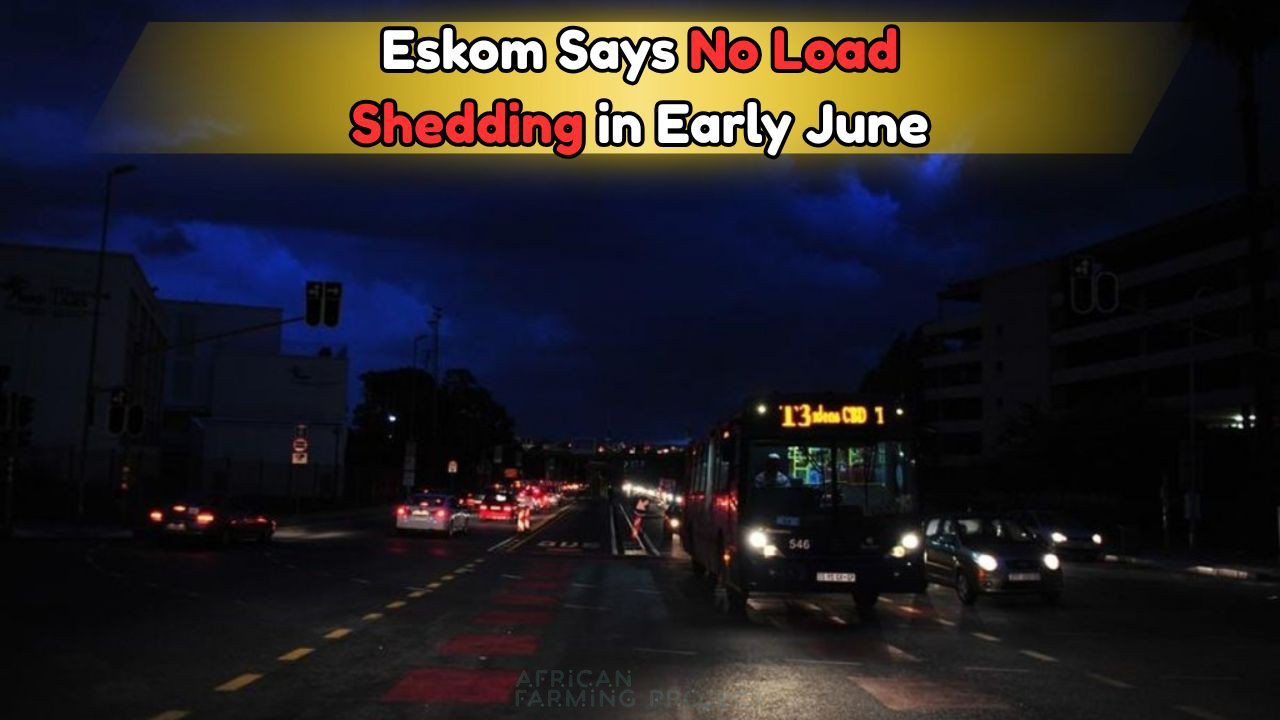
Eskom’s Confirmation of Stable Power Supply for June 2025: South Africa’s energy landscape is set for a positive turn as Eskom has confirmed a stable power supply for early June 2025. This announcement brings relief to millions of South Africans who have been affected by frequent load shedding. The utility’s commitment to maintaining a consistent electricity supply is a significant step towards energy security and economic stability in the region. With strategic planning and infrastructure improvements, Eskom aims to minimize disruptions and enhance the reliability of its services. As the country anticipates a power-stable June, businesses and individuals alike can look forward to uninterrupted operations and daily activities.
Strategies to Ensure Stable Power Supply in 2025
Ensuring a stable power supply is no small feat, but Eskom has laid out comprehensive strategies to meet this goal by June 2025. One of the critical approaches includes upgrading the existing infrastructure to handle increased demand effectively. The utility is also investing in renewable energy sources to diversify the energy mix, thereby reducing reliance on coal. This move not only enhances sustainability but also aligns with global energy trends. Additionally, Eskom is focusing on improving maintenance routines to prevent unexpected breakdowns. The introduction of smart grid technology is another pivotal step, allowing for real-time monitoring and efficient energy distribution. These strategies collectively aim to create a resilient power supply system, capable of supporting South Africa’s growing energy needs.
- Infrastructure upgrades to handle increased demand
- Investment in renewable energy sources
- Enhanced maintenance routines
- Introduction of smart grid technology
- Focus on energy efficiency initiatives
Impact of Stable Power Supply on South Africa’s Economy
A stable power supply is crucial for the economic development of any nation, and South Africa is no exception. With Eskom’s plans to ensure consistent electricity in June 2025, the country stands to gain significantly. Reliable power is a catalyst for industrial growth, enabling factories and businesses to operate without interruption. This stability attracts foreign investments, as companies are more likely to invest in regions with dependable utilities. The tourism sector also benefits, with fewer power outages enhancing the visitor experience. Moreover, households can enjoy a better quality of life, free from the disruptions of load shedding. Overall, a stable energy supply is poised to boost South Africa’s GDP and improve its global competitiveness.
| Sector | Impact | Benefits | Challenges | Future Prospects |
|---|---|---|---|---|
| Industry | Increased productivity | Higher output | Infrastructure costs | Growth opportunities |
| Investment | Attraction of FDI | Economic growth | Regulatory hurdles | Stability |
| Tourism | Improved experience | More visitors | Initial costs | Expansion |
| Households | Better quality of life | Comfort | Energy costs | Efficiency gains |
| GDP | Increase | Economic stability | Policy implementation | Growth |
Challenges Facing Eskom in Achieving Stable Power Supply
While the promise of a stable power supply is promising, Eskom faces several challenges in realizing this goal by June 2025. The aging infrastructure requires significant investment and refurbishment, posing a financial burden on the utility. Additionally, balancing the energy mix with renewable sources involves overcoming technical and logistical hurdles. There is also the challenge of managing fluctuating demand patterns that require sophisticated planning and execution. Eskom must navigate regulatory frameworks and policy changes that can impact its operations. Lastly, ensuring stakeholder cooperation, including government bodies and private sector partners, is crucial for the successful implementation of these initiatives.

- Aging infrastructure requiring investment
- Balancing energy mix with renewables
- Managing fluctuating demand patterns
- Navigating regulatory frameworks
- Ensuring stakeholder cooperation
Role of Renewable Energy in Achieving Stable Power Supply
Renewable energy is at the forefront of Eskom’s strategy to provide a stable power supply by June 2025. By integrating wind, solar, and hydroelectric power into the national grid, the utility aims to reduce carbon emissions and enhance sustainability. Renewable energy sources offer a cleaner, more sustainable alternative to traditional coal-fired power plants. Eskom is investing in solar farms and wind turbines across the country, particularly in regions with high renewable potential. These initiatives not only contribute to energy stability but also create job opportunities in the green energy sector. By harnessing the power of nature, Eskom can ensure a reliable and environmentally friendly energy supply for South Africa.
| Energy Source | Contribution | Benefits | Challenges |
|---|---|---|---|
| Solar | 25% | Low emissions | Weather dependency |
| Wind | 20% | Renewable | Location-specific |
| Hydroelectric | 15% | Consistent supply | Environmental impact |
| Coal | 40% | Established | High emissions |
Public Response to Eskom’s Power Supply Plans
The public response to Eskom’s plans for a stable power supply in June 2025 has been largely positive. Citizens are hopeful that consistent energy will lead to improved quality of life and economic growth. Many appreciate the focus on renewable energy, viewing it as a step towards environmental responsibility. However, skepticism remains among some who question the feasibility of these ambitious goals. Concerns about tariffs and the financial implications of infrastructure investments also linger. Despite these concerns, the overall sentiment is one of cautious optimism, with the hope that Eskom can deliver on its promises.
- Positive public reception
- Hope for economic growth
- Appreciation for renewable focus
- Some public skepticism
- Concerns about tariffs
Technological Innovations Supporting Eskom’s Power Supply
Technological innovations play a crucial role in Eskom’s strategy to ensure a stable power supply by June 2025. The integration of smart grid technology allows for real-time data monitoring, improving efficiency and reducing wastage. Advanced forecasting tools enable better demand management, preventing overloads and ensuring consistent supply. The adoption of energy storage systems, such as batteries, provides a buffer during peak demand periods. Eskom is also exploring artificial intelligence solutions to optimize operations and predict maintenance needs. These technological advancements are essential in overcoming the challenges of modern energy supply and ensuring a reliable power infrastructure for South Africa.

- Integration of smart grid technology
- Advanced forecasting tools
- Energy storage systems
- Artificial intelligence solutions
- Optimization of operations
FAQ: Eskom’s Stable Power Supply Plans
What steps is Eskom taking to ensure stable power in June 2025?
Eskom is investing in infrastructure upgrades, renewable energy, and smart grid technology to ensure stable power supply.
How will stable power supply impact South Africa’s economy?
A reliable power supply will boost industrial growth, attract foreign investment, and improve quality of life.
What are the challenges Eskom faces in stabilizing power supply?
Eskom faces challenges such as aging infrastructure, regulatory hurdles, and managing demand patterns.
How significant is renewable energy in Eskom’s strategy?
Renewable energy is crucial, as it reduces emissions and diversifies the energy mix, contributing to stability.
What is the public’s reaction to Eskom’s power supply plans?
The public response is largely positive, with hope for economic growth and environmental responsibility.