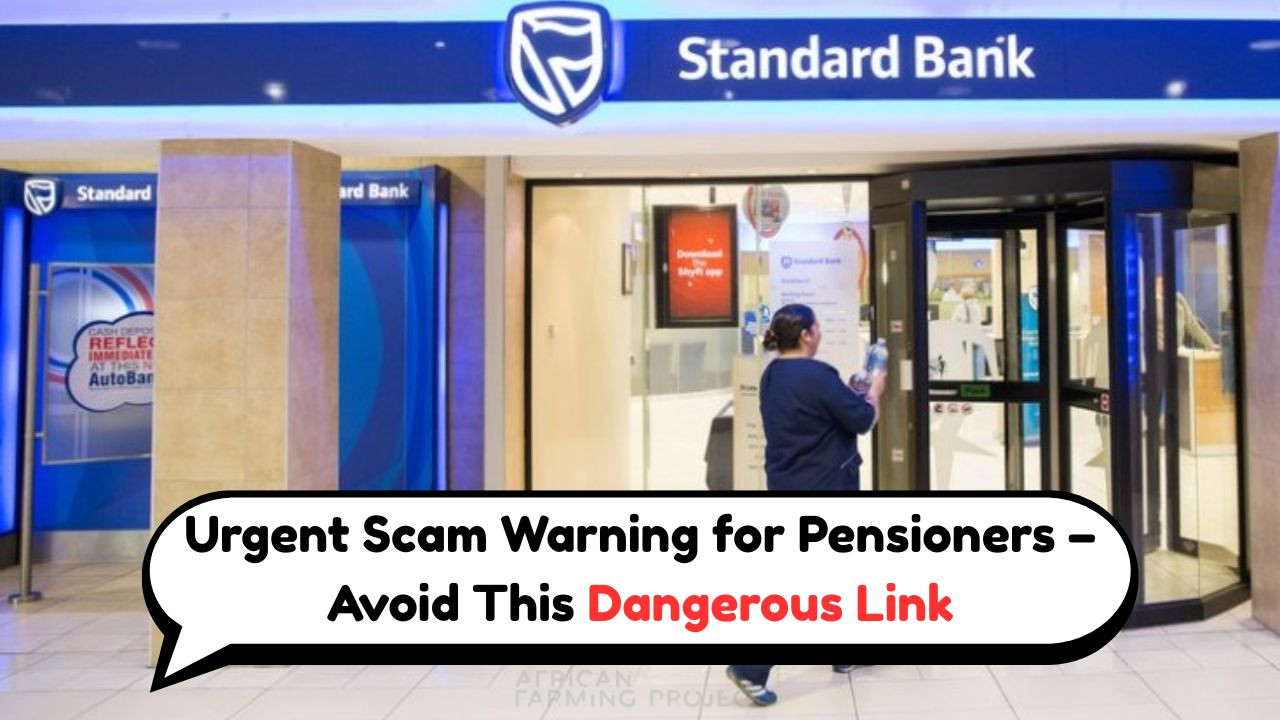
Standard Bank Scam Alert: As South Africa continues to embrace digital banking, Standard Bank has issued an urgent warning regarding a new surge of dangerous scam links targeting pensioners. These scams aim to exploit the vulnerabilities of the elderly, many of whom are not tech-savvy and can easily fall prey to sophisticated online fraudsters. The bank has emphasized the importance of vigilance and has provided detailed guidance on identifying and avoiding these scams. With the rise of internet-based banking, protecting one’s online financial footprint is more crucial than ever. Standard Bank is taking proactive measures to safeguard its customers, especially the elderly, who are often more susceptible to cyber threats.
Understanding the Threat of Scam Links for Pensioners
Scam links are fraudulent URLs that appear to be from legitimate sources, designed to trick individuals into revealing personal information such as passwords, banking details, and other sensitive data. For South African pensioners, these scams are not only a breach of privacy but also a direct threat to their financial security. The scammers often disguise these links as official communications from banks or government institutions, creating a false sense of urgency. Pensioners, who may not be familiar with digital security protocols, are particularly vulnerable and can inadvertently provide access to their bank accounts.
- Recognize suspicious URLs: Always verify the source of any link before clicking. Look for inconsistencies in the URL and contact your bank if uncertain.
- Be cautious of urgent requests for personal information.
- Use two-factor authentication: Add an extra layer of security to your accounts by enabling two-factor authentication.
- Educate yourself and others: Stay informed about the latest scams and share this knowledge with friends and family.
- Regularly update passwords and security software.
- Report scams immediately: If you suspect a scam, report it to your bank and the authorities.
Standard Bank’s Measures to Protect Pensioners
In response to the growing threat of scam links, Standard Bank has implemented several measures aimed at protecting their most vulnerable customers. The bank has ramped up its security systems, employing advanced technologies to detect and block fraudulent activities. Additionally, Standard Bank has launched educational campaigns to raise awareness among pensioners about the dangers of online scams.
| Security Measure | Description |
|---|---|
| Fraud Detection | Real-time monitoring of transactions to identify suspicious activities. |
| Customer Alerts | Immediate notifications sent to customers about potential scams. |
| Education Programs | Workshops and informational materials provided to educate customers. |
| Helpline Support | 24/7 assistance for reporting scams and seeking advice. |
How to Stay Safe from Scam Links
Protecting oneself from scam links requires a proactive approach. Pensioners should always question unexpected communications that request personal information, especially if they come with a sense of urgency. Double-checking with the official source before taking any action is a prudent step to avoid falling victim to scams.

Signs of Scam Links:
- Unfamiliar sender address: Be wary of emails from addresses that you don’t recognize.
- Poor grammar and spelling: Many scams originate from non-native English speakers, resulting in poorly constructed messages.
- Urgency and threats: Scammers often create a sense of urgency to prompt immediate action without thought.
Reporting and Responding to Scam Attempts
What to do if you encounter a scam:
- Do not engage: Avoid responding to or clicking on any links in suspicious messages.
- Contact your bank directly to verify the communication.
- Report the scam to the South African Police Service.
Community Support and Resources
Pensioners are encouraged to seek support from community resources that provide further assistance and guidance on cyber safety. Local libraries, community centers, and senior groups often host workshops on digital literacy and security. These initiatives are vital in equipping the elderly with the knowledge to protect themselves online.

- Take advantage of free educational resources.
- Participate in community-led cyber safety workshops.
- Utilize online guides and tutorials on internet safety.
Additional Safety Tips for Pensioners
Beyond avoiding scam links, pensioners should adopt broader cyber hygiene practices to ensure comprehensive protection. This includes regularly updating software, using strong passwords, and maintaining a healthy skepticism of unsolicited communications. By staying informed and cautious, pensioners can significantly reduce their risk of falling victim to online scams.
| Tip | Action |
|---|---|
| Strong Passwords | Use unique passwords with a mix of letters, numbers, and symbols. |
| Regular Updates | Keep software and security systems up-to-date. |
| Secure Connections | Avoid using public Wi-Fi for banking or sensitive transactions. |
FAQs
- What should I do if I clicked on a scam link? Immediately change your passwords and contact your bank for advice on securing your account.
- How can I verify if a link is legitimate? Hover over the link to see the actual URL and cross-check with the official website.
- Can I report scam emails to Standard Bank? Yes, forward suspicious emails to the bank’s fraud department for investigation.
- Are there any apps to help protect against scams? Yes, consider downloading security apps recommended by your bank for added protection.
Departmental Contact Details
Fraud Prevention Unit
Email: [email protected]
Helpline: 0800 123 456
Customer Education Department
Email: [email protected]
Website: www.standardbank.co.za
24/7 Help Centre
Phone: 0860 234 567