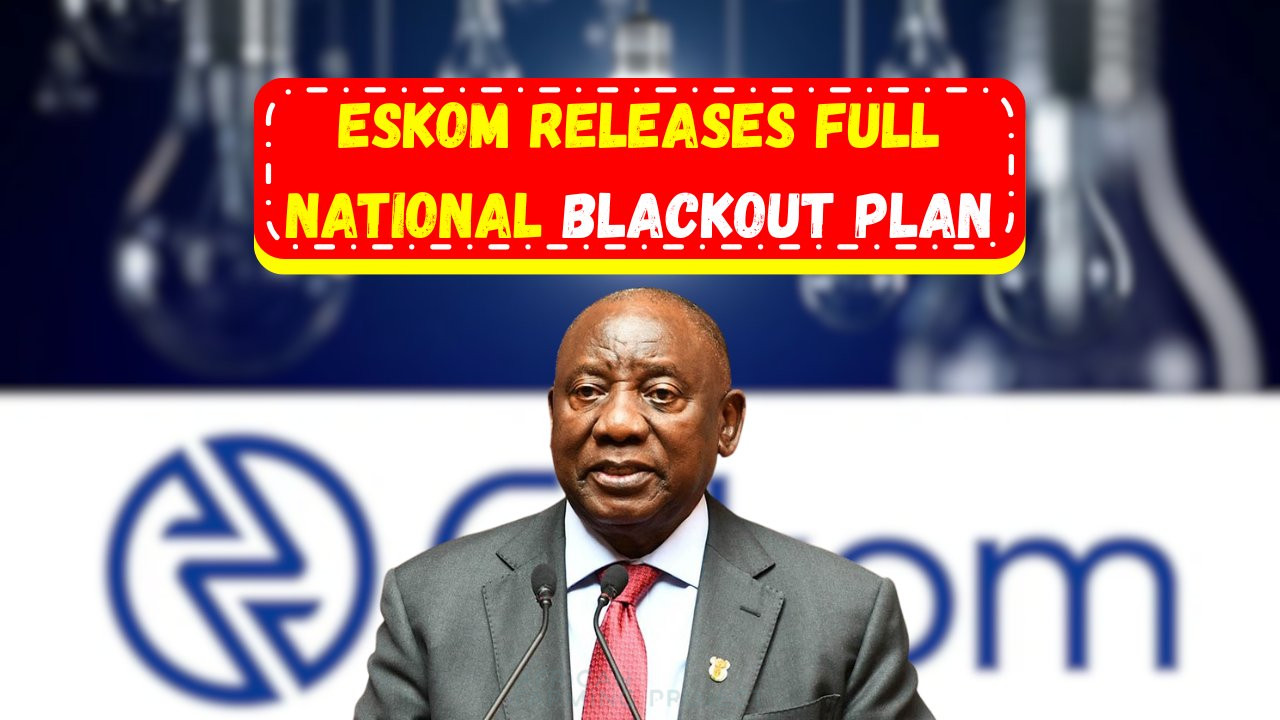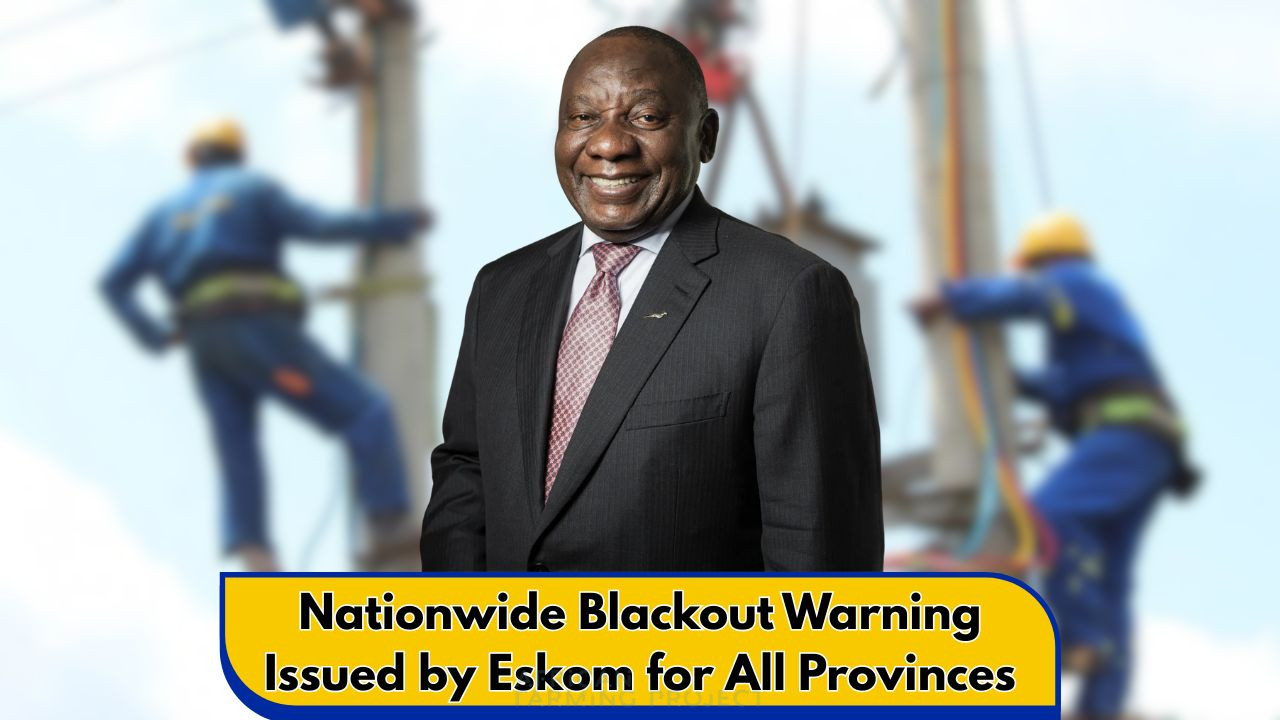
South Africa Power Crisis: South Africa is on the brink of an unprecedented power crisis as the country braces for potential 14-hour daily blackouts. This looming crisis threatens to disrupt daily life, hinder economic growth, and exacerbate existing challenges in an already strained energy sector.
The Impact of Extended Blackouts
The prospect of prolonged power outages is not just an inconvenience; it poses severe risks to households and businesses alike. Essential services could face interruptions, affecting everything from healthcare delivery to business operations. Average citizens may struggle with daily tasks, while businesses could suffer significant financial losses.
Key Concerns:
- Healthcare facilities operating on limited backup power sources.
- Small businesses struggling to sustain operations.
- Increased reliance on alternative energy solutions.
- Potential job losses across various sectors.
- A surge in the use of generators, impacting fuel supplies.
- Heightened social and economic inequality.
These concerns highlight the urgent need for both short-term solutions and long-term strategic planning to mitigate the effects of such extended power disruptions.
Government Measures and Strategic Plans
Immediate Actions and Long-Term Strategies:
| Action | Details | Expected Outcome | Challenges |
|---|---|---|---|
| Load Shedding Schedules | Regular updates and communication | Minimize disruption | Public dissatisfaction |
| Investment in Renewables | Increase solar and wind capacity | Reduce dependency on coal | High initial costs |
| Infrastructure Upgrades | Modernize the power grid | Enhance reliability | Long implementation time |
| Public Awareness Campaigns | Educate on energy conservation | Reduce demand during peak hours | Varied public engagement |
| Emergency Power Imports | Negotiate with neighboring countries | Alleviate immediate shortages | Dependency risks |
| Energy Policy Reforms | Review and update regulations | Promote sustainable energy use | Political and economic barriers |
| Private Sector Partnerships | Encourage investments in energy | Boost innovation | Balancing interests |
| Community Initiatives | Support local energy solutions | Empower communities | Resource allocation |
| Research and Development | Fund new energy technologies | Future-proofing energy sector | Long-term investment |
Community and Business Adaptations
Amidst these challenges, communities and businesses are finding innovative ways to adapt. From solar panel installations to efficient energy use practices, the resilience of South Africans is evident. Companies are investing in smart technology to reduce energy consumption, while communities are banding together to form energy cooperatives.
Adaptive Measures:
- Installing rooftop solar panels for homes and offices.
- Utilizing energy-efficient appliances and lighting.
- Forming local energy-sharing cooperatives.
- Investing in battery storage systems.
- Advocating for government incentives on renewables.
- Utilizing smart technology for energy monitoring.
- Participating in load-shedding schedules proactively.
- Engaging in community workshops on energy conservation.
International Perspectives on Energy Crises
Looking globally, South Africa is not alone in facing energy challenges. Many countries are grappling with similar issues due to climate change, resource constraints, and rising demand. Learning from international experiences can provide valuable insights into effective strategies.
Countries like Germany, which have invested heavily in renewable energy, serve as models for transitioning to sustainable energy solutions. Meanwhile, nations such as India have implemented robust demand management strategies that South Africa could emulate.
- Germany: Significant investment in wind and solar energy.
- India: Implementation of demand-side management techniques.
- Brazil: Hydroelectric power as a major energy source.
- China: Rapid expansion of solar and wind capacity.
- Australia: Community-based solar projects and incentives.
- USA: Smart grid technology and energy storage solutions.
Lessons Learned from Global Practices
By examining these international approaches, South Africa can identify practical solutions and adapt them to local contexts, ensuring energy security and sustainability for the future.

| Country | Strategy | Outcome |
|---|---|---|
| Germany | Renewable energy expansion | Increased energy independence |
| India | Demand management | Efficient energy usage |
| Brazil | Hydroelectric focus | Stable energy supply |
| China | Solar and wind growth | Reduced emissions |
| Australia | Community solar projects | Local empowerment |
| USA | Smart grid technology | Improved grid resilience |
| South Korea | Energy storage | Enhanced reliability |
FAQs on South Africa’s Power Crisis
What causes South Africa’s power crisis?
The crisis is primarily due to aging infrastructure, maintenance backlogs, and a failure to diversify energy sources.
- How is the government addressing the crisis?Through strategic investments in renewable energy and infrastructure upgrades.
- Can solar energy help reduce blackouts?Yes, solar energy is a sustainable solution that can ease the strain on the national grid.
- What can individuals do to help?Adopt energy-efficient practices and consider alternative energy sources like solar panels.
- Are there any incentives for using renewable energy?Yes, the government offers various incentives to encourage the adoption of renewable energy solutions.
- How do blackouts impact the economy?They disrupt business operations, leading to financial losses and affecting economic growth.
Departmental Contact Details
Department of Energy
Phone: +27 12 406 8000
Email: [email protected]
Website: www.energy.gov.za
Energy Crisis Hotline: +27 860 030 390
[email protected]
Eskom Customer Service: 0860 037 566